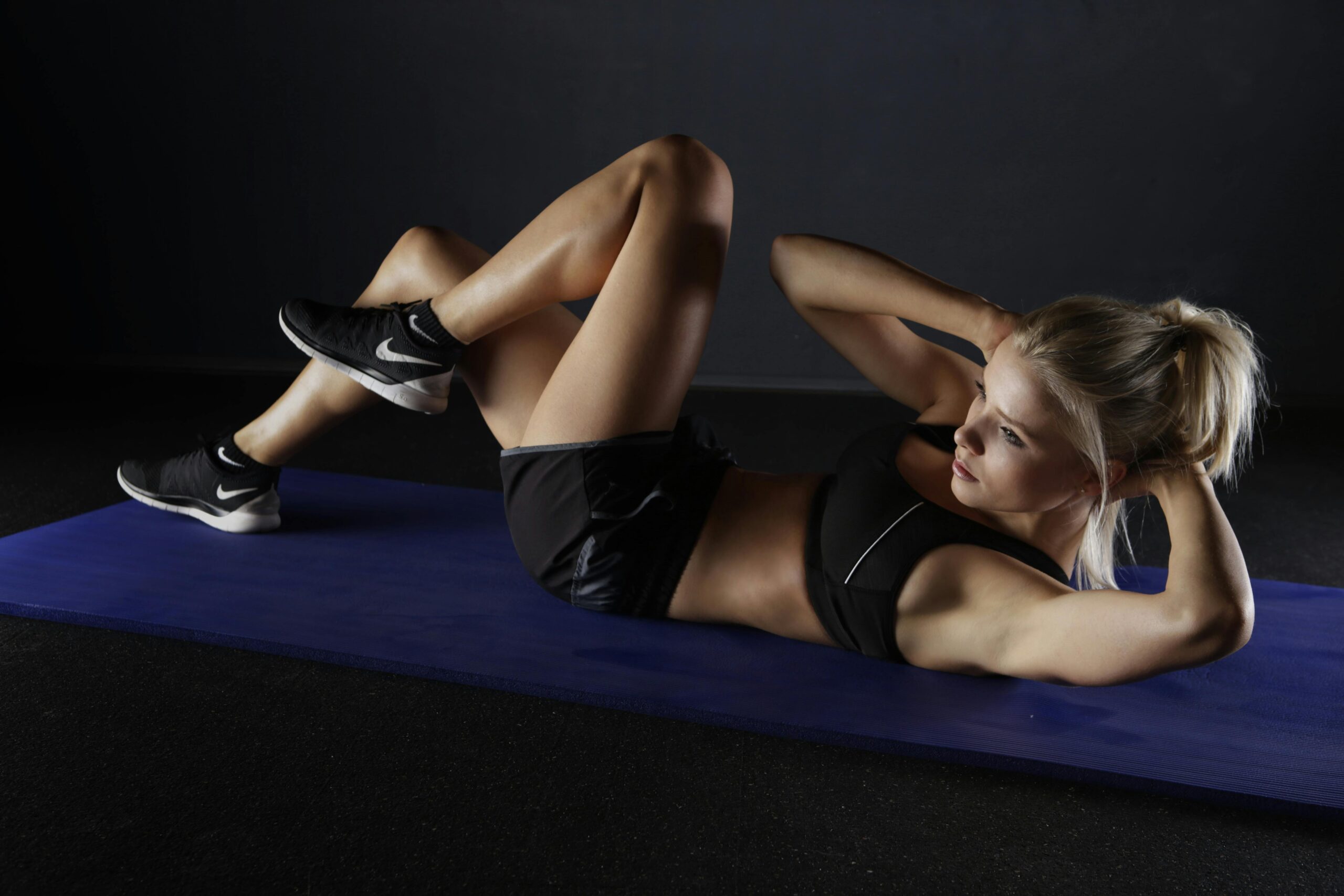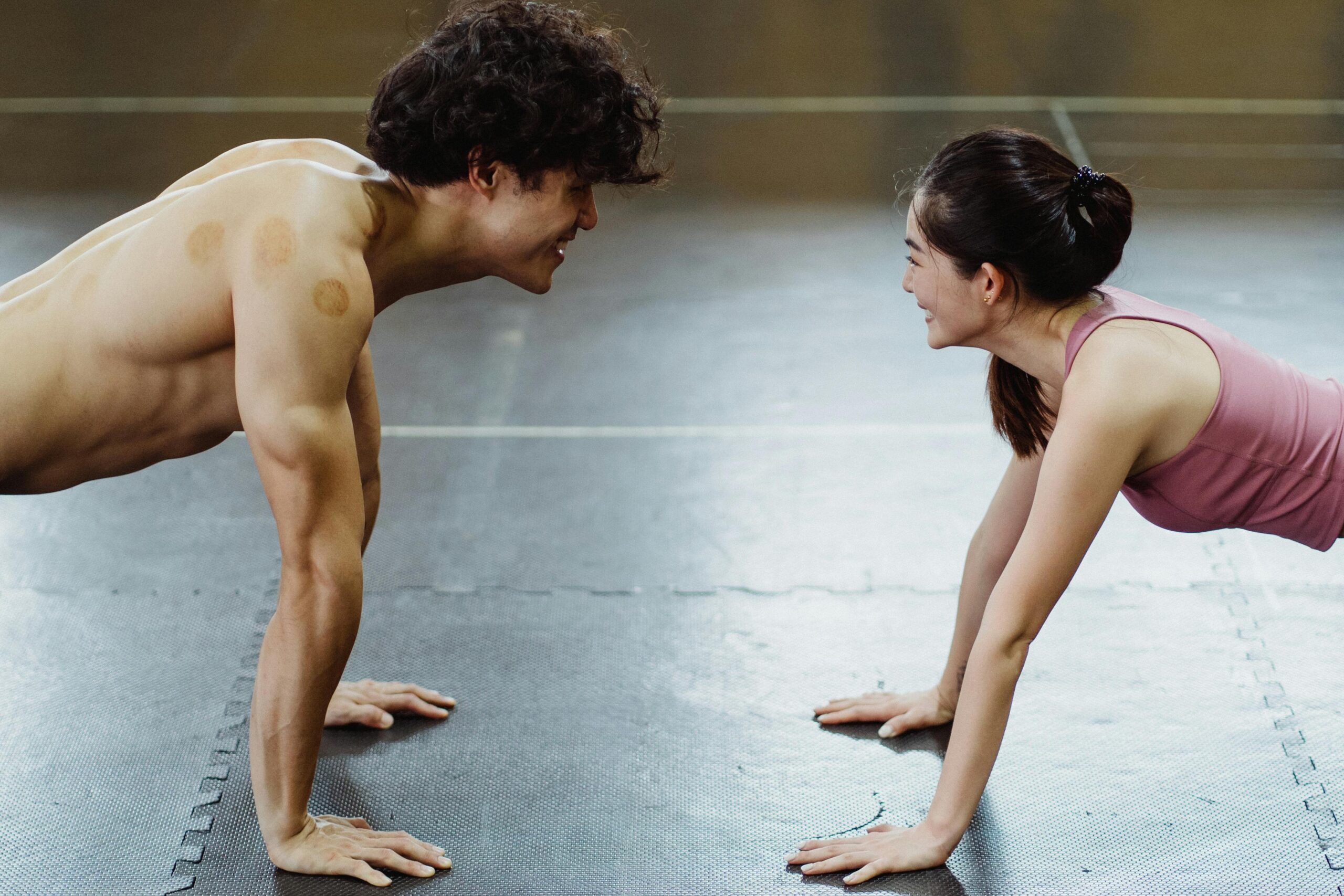
Home gym workout programs are supposed to make training easier, not turn your living room into a museum of abandoned fitness gadgets. If you are stuck waiting for perfect equipment, perfect time, and perfect motivation, congrats, you have built a very polished plan to stay exactly where you are.
You still deserve progress. You also do not get progress by collecting random workouts like trading cards and hoping your body “gets the message.” Your body responds to repeated input and smart progression, not vibes and novelty.
In this post, you’ll get a tiered equipment approach so you can start with what you have, level up without starting over, and follow a weekly workout plan that actually moves your fitness goals forward. You’ll also learn how to create progression even when your equipment options are limited, because the real secret is not what you own, it’s what you repeat.
If anything here causes sharp pain, numbness, tingling, or weakness, pause and get checked by a qualified clinician. A workout plan for fitness should build capacity, not force you to power through warning signs.
Home Gym Workout Programs Start With a Weekly Workout Plan
Most people do not fail at home training because they lack equipment. They fail because they lack structure. They start strong, then life happens, then their plan becomes “whatever I can remember from that one reel I saved,” which is not a plan, it’s a hobby.
A weekly workout plan turns home training into something your body can adapt to. Pick a number of training days you can repeat for the next six weeks, not a number you can survive for one heroic week. Two days per week can absolutely work. Three days per week is often the sweet spot. The wrong number is the one that turns training into a guilt ritual.
For most people doing fitness workout home sessions, full-body training is the simplest way to cover the basics. Each workout needs a lower body pattern, an upper body push, an upper body pull, and a core stability piece that keeps your trunk steady while your hips and shoulders move. That gives you results without requiring a spreadsheet the size of a small novel.
Progress requires a next step. Your workout programs should include a clear way to progress, even with minimal gear. That might be adding reps within a target range, slowing the lowering phase, adding a pause, increasing range of motion, or increasing load when you have it available. If you do the same exact workout forever, your body will politely stop changing. It is not being rude. It is being efficient.
Home Gym Workout Programs With a Tiered Equipment Approach
If you have ever produced commercial photography for a brand, you already understand this concept. You do not wait to create until you own every lens, every light, and every possible accessory. You build a tight kit, you execute with intention, and you upgrade when the work proves what is worth buying. Training is the same. Start. Learn. Upgrade based on reality.
Tier one is bodyweight and the floor. People underestimate this tier because it does not look impressive, which is adorable, because your body does not care how impressed you are. Push-ups, split squats, step-ups, hip bridges, planks, and hinges can challenge you for a long time if you use tempo and control. A slow lower and a pause at the hard part changes the whole game without changing your equipment.
Tier two adds a resistance band and one moderate dumbbell or kettlebell. Bands unlock pulling patterns that are usually missing at home, plus they add variety for hips and glutes. One weight gives you goblet squats, single-arm presses, rows, carries, and single-leg hinging. Single-leg work is especially useful when equipment is limited because it creates a big training effect with lighter load.
Tier three is adjustable dumbbells or a pair of dumbbells you can grow into. This is often the best upgrade for home gym workout programs because it allows steady load progression without needing a garage full of options. If you cannot increase load easily, you can still increase reps, time under tension, or range of motion, but having adjustable weight makes the progression cleaner.
Tier four is the nice-to-have zone. A bench, a pull-up bar, and heavier lower-body loading options make training more convenient and open up more variations. The key is to earn upgrades by proving consistency for six to eight weeks. If your plan is not consistent yet, more equipment is just a fancier way to avoid the actual work.
Home Gym Workout Programs That Keep Progress Moving
Minimal equipment training only fails when progression disappears. You can train at home for months and feel busy, sweaty, and morally superior, but still not get stronger if you never increase the challenge in a meaningful way. Busy is not the same as effective.
Pick four to six main movements and keep them for a block of four to six weeks. This is where people get impatient. They change everything weekly because they want variety, then they never build enough skill or volume in a pattern to progress. Keep the movements stable long enough to improve them. Rotate variations after the block if you want, but give your body time to adapt.
Your progression levers are load, reps, and tempo. If you can add weight, add weight. If weight is limited, add reps within a range that keeps form clean. If reps top out, slow the lowering phase and add a pause. A three-second lower plus a one-second pause makes a moderate weight feel like it has opinions. Range matters too. A deeper split squat or a longer hinge can build strength and control if your positions stay solid.
Recovery is part of progression, even in home gym workout programs. If your sleep is short, your meals are chaotic, and your stress is high, your body will hold back. Fitness and wellness work together. Training plus recovery equals adaptation. Training without recovery equals frustration and a suspicious amount of soreness that never turns into real progress.
If you like simple tracking, keep it simple. Write down the movement, the reps, and one note about effort. That is it. You do not need a new app. You need a record that tells you what to beat next week, even if you beat it by one rep or one cleaner set. That is how fitness goals stop being motivational posters and start being measurable outcomes.
Home Gym Workout Programs That Fit Real Life
Here’s the part nobody wants to hear, so I’ll say it gently and still mean it. The best plan is the one you can repeat when your week is messy.
If you can train three days per week, aim for full-body sessions that alternate emphasis. One day can lean more squat and push, another can lean more hinge and pull, and the third can blend both with a slightly lighter load and cleaner tempo. You are not trying to annihilate yourself. You are trying to accumulate quality work.
If you can only train two days per week, you can still make it work by keeping sessions full-body and slightly denser. Focus on one lower body pattern, one push, one pull, and one core stability pattern each day. Rotate the variations across the two days so your joints stay happier and your progress stays steady.
If your week is unpredictable, build a minimum effective version of your workout plan for fitness. That might be a 25-minute session you can do anywhere, plus one longer session when time opens up. Consistency is not about doing the maximum. Consistency is about doing the minimum that keeps the habit alive and the progress moving.
This is also where a little branding logic helps. A strong brand is not just the logo. It is the system that keeps showing up across touchpoints. Training is the same. Your body learns what you repeatedly deliver. Treat your workouts like you would treat professional content production. Simple system, repeatable process, small upgrades over time, and no last-minute chaos pretending to be creativity.
Home Gym Workout Programs Next Steps That Make This Stick
You do not need a bigger home gym. You need a better plan.
Choose your training days for the next six weeks and commit to a weekly workout plan you can realistically repeat. Decide your equipment tier based on what you have right now, then use progression levers like reps and tempo until you earn the next upgrade. Keep core movements stable long enough to see measurable improvement.
If you want this handled with structure, that’s exactly what my custom workout plan is for. You get home gym workout programs built around your equipment, your schedule, and your fitness goals, with clear progression so you always know what to do next. If you want coaching and feedback so your form and pacing stay sharp, a personal training plan makes the process simpler and more confident.
Tell me what equipment tier you’re starting with and how many days per week you can actually train without lying to yourself. Then share this with the friend who keeps “researching” home workouts like it’s a full-time job, while their dumbbells collect dust nearby.